
Shakespeare, line by line.
Free study guides, close readings of the famous speeches, and lesson plans you can print tonight. And an app that brings you one page every morning.
For GCSE, A-level, AP Literature, IB and first-year university. No sign-up.
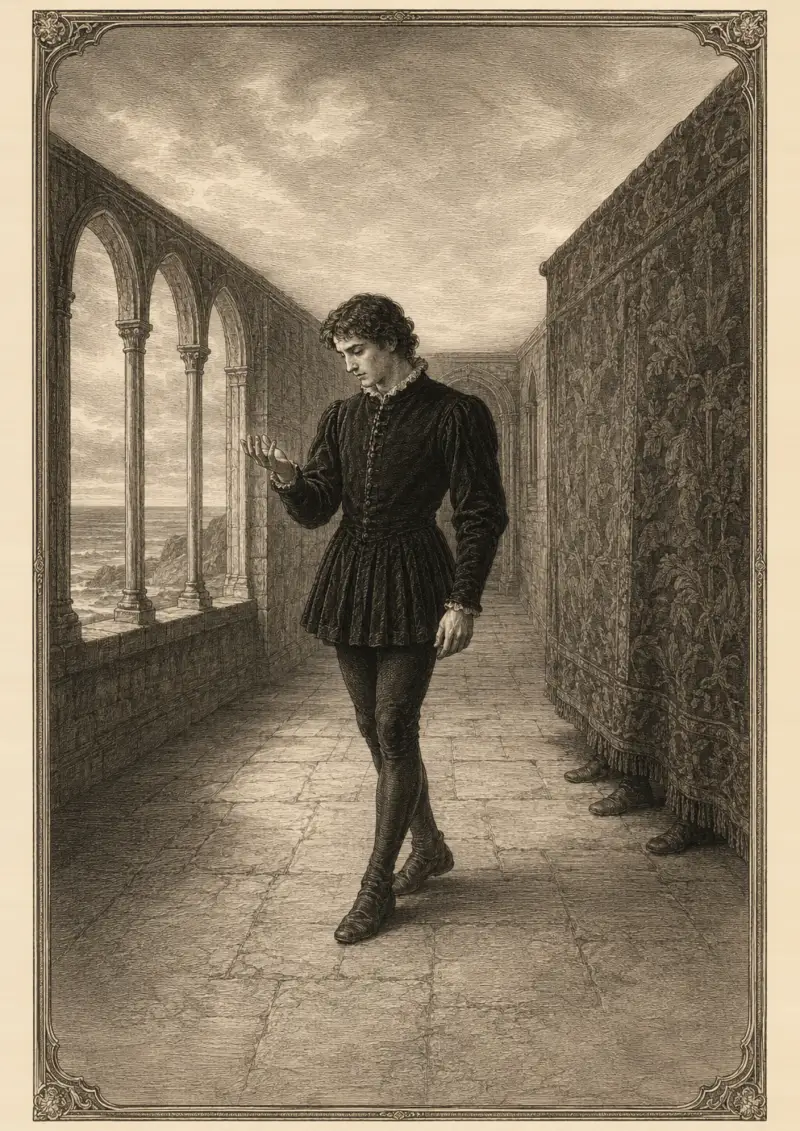
Hamlet · Act 3, Scene 1
To be, or not to be, that is the question:aWhether ’tis nobler in the mind to sufferThe slings and arrows of outrageous fortune,bOr to take arms against a sea of troublesAnd, by opposing, end them.c
His exact words
On the back of the leaf
Alone, Hamlet weighs up being alive at all. Should he put up with a life of suffering, or end it? He treats it as a real choice. What stops him is not hope. It is fear of the undiscovered country that comes after death.
In plain English
- aWhy it is a real question, and who is listening. Read the close reading
- bWhere the speech sits in the play’s argument. Hamlet study guide
- cLearn it for the exam. Quotation sheetPDF
Start where you are
I am studying a play
Start with the guide for your set text, then learn the quotations that carry an essay.
I am teaching one
Three timed lessons per text, with a worksheet and indicative answers, ready to print.
I read for myself
Take one famous passage at a time, and let the rest of the play arrive when you want it.
Find your play.
Each text has a full study guide, a three-lesson sequence for teachers, and a quotation sheet to print.
-
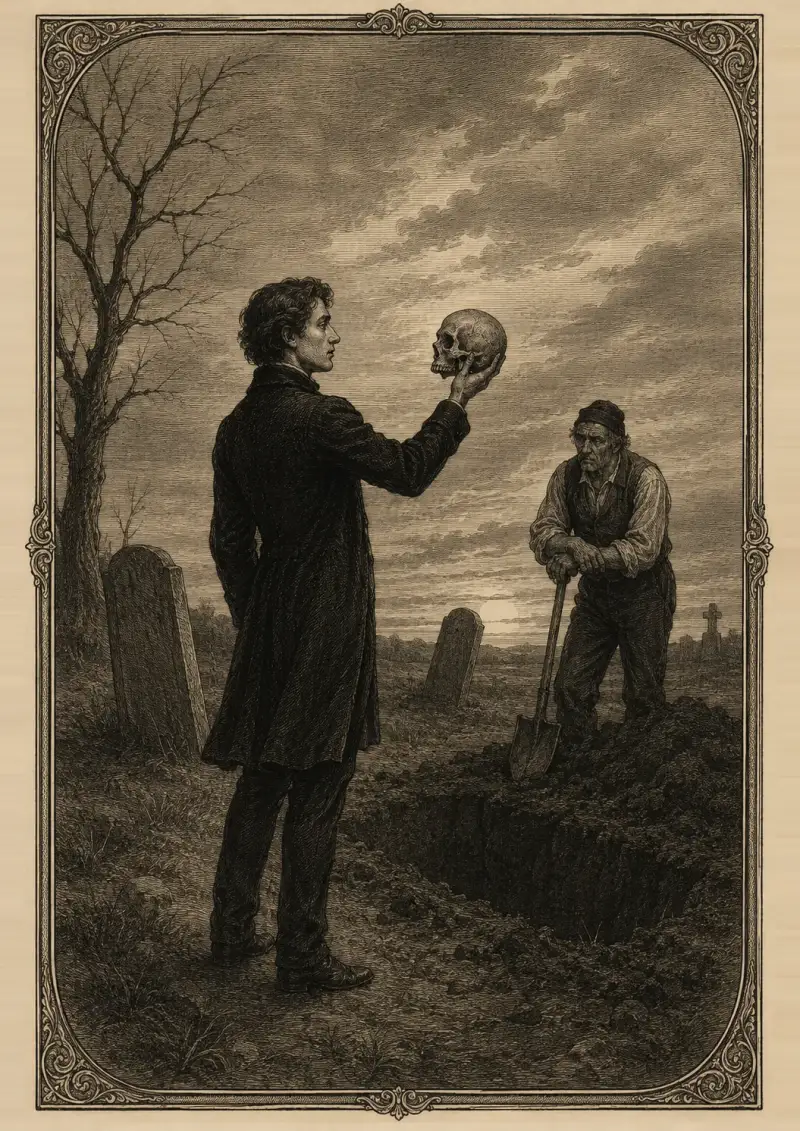
Hamlet
Revenge, delay, and the most examined mind in drama.
-
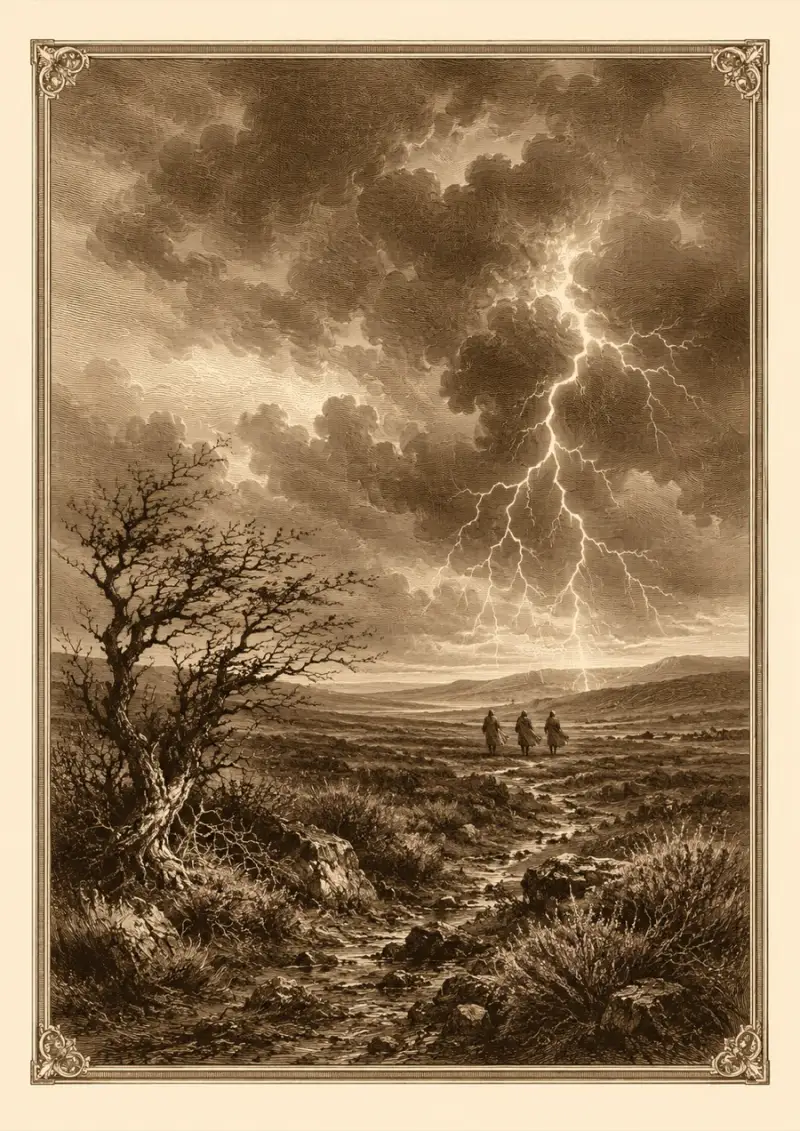
Macbeth
Ambition, guilt, and a kingdom turned upside down.
-
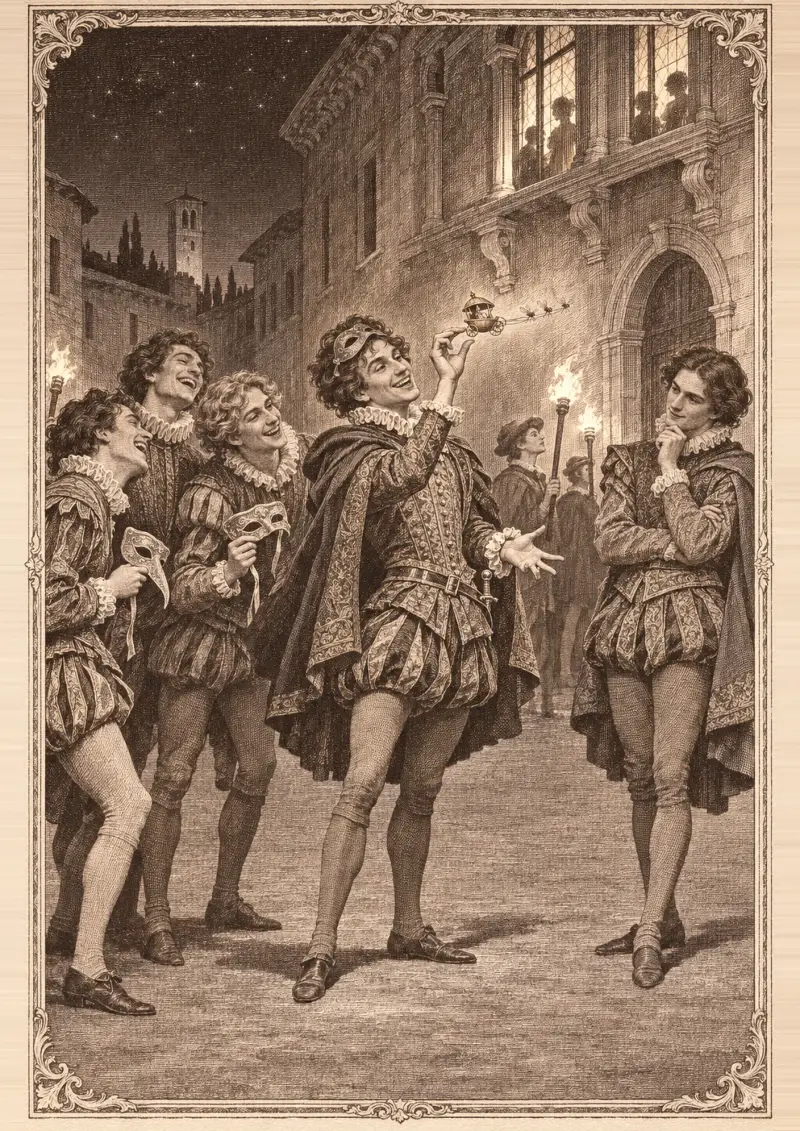
Romeo and Juliet
Love, haste, and a feud that outlives its reasons.
-
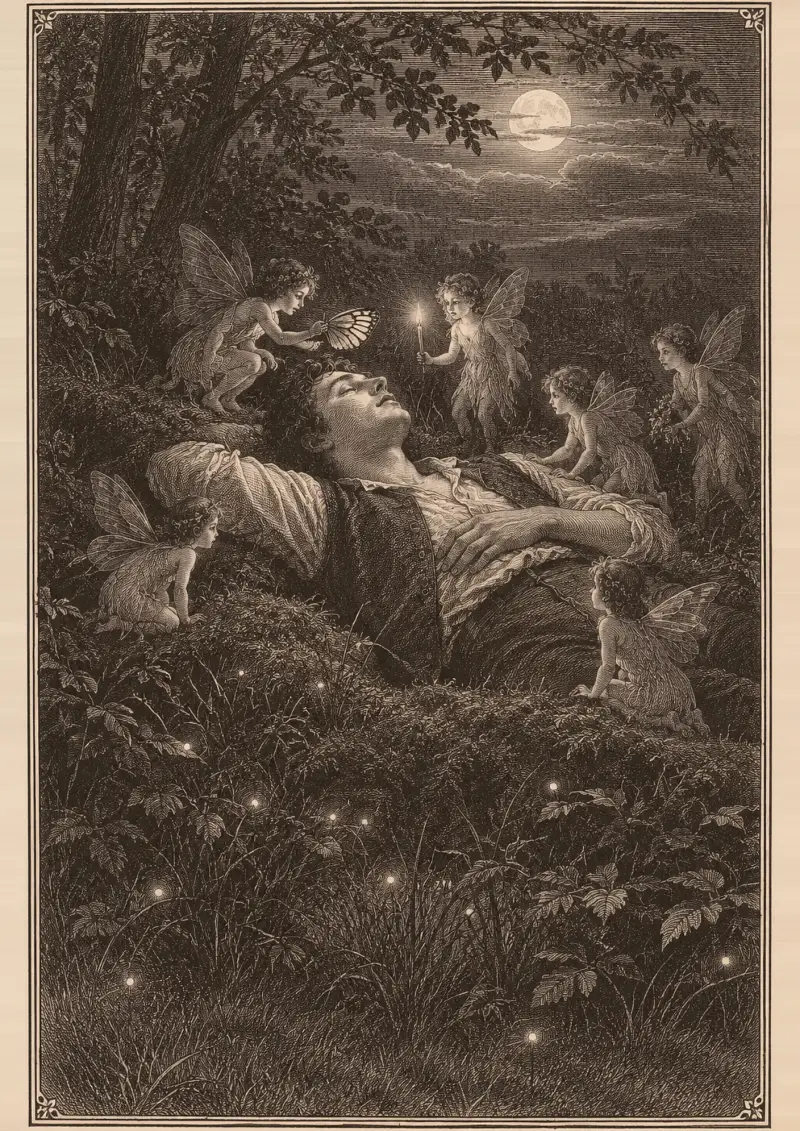
A Midsummer Night’s Dream
Desire, misrule, and a play about making plays.
-
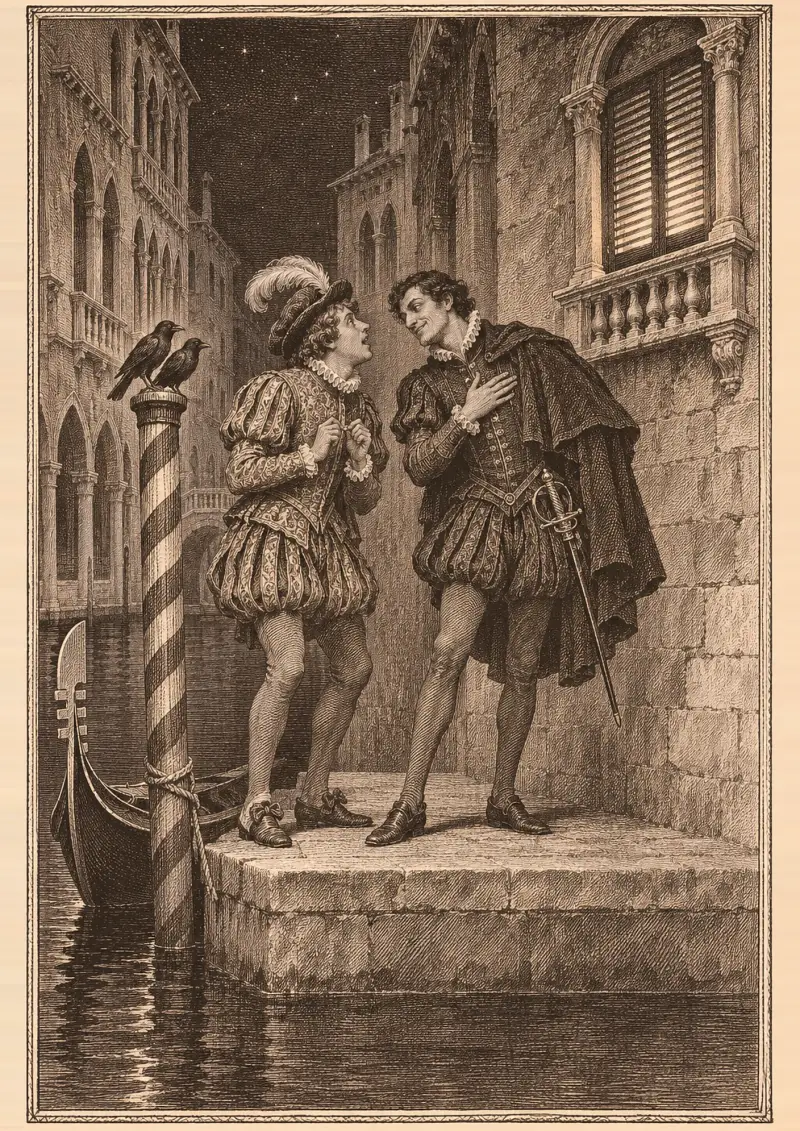
Othello
Jealousy, reputation, and the most persuasive liar in Shakespeare.
-
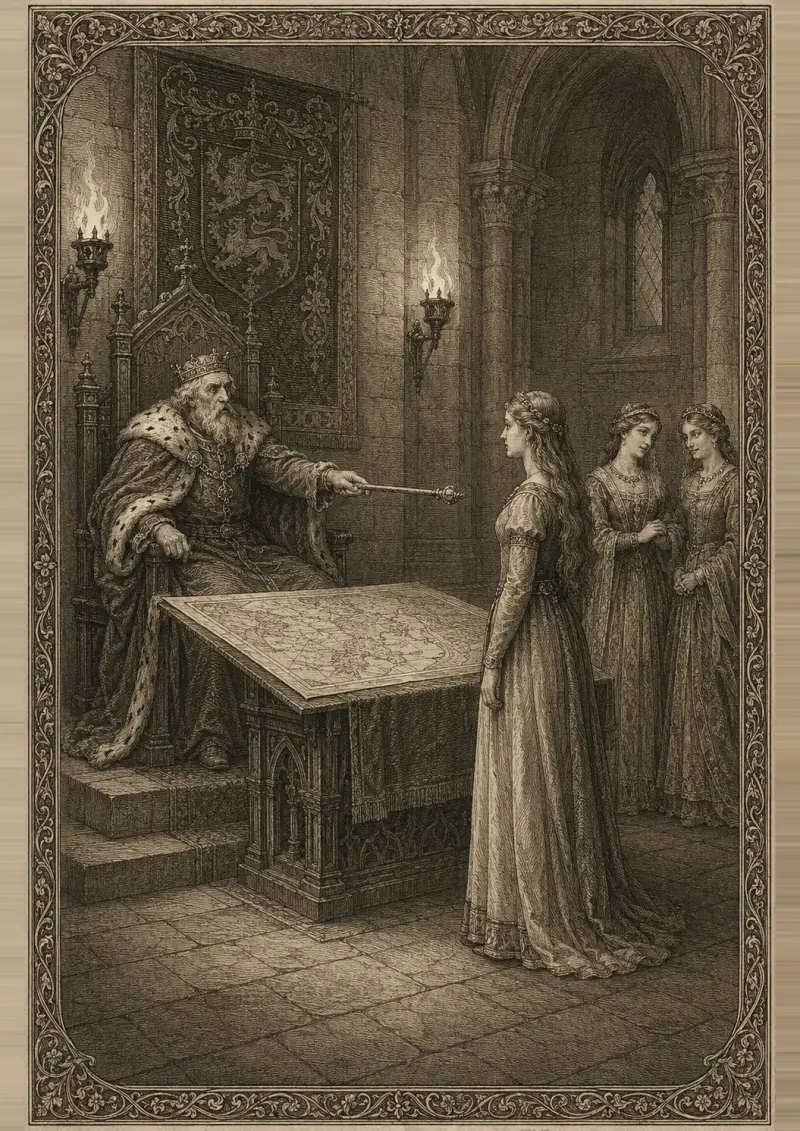
King Lear
Power given away, and what is left when it has gone.
-
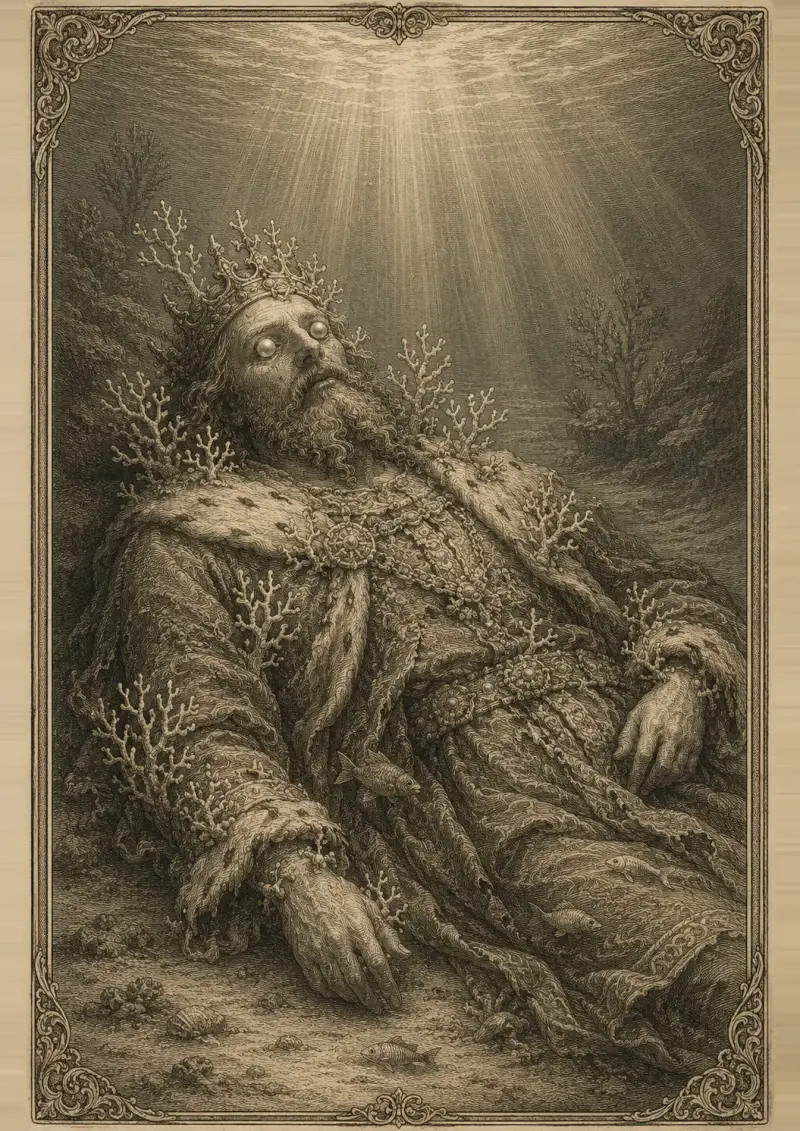
The Tempest
Magic, mastery, and the hard choice to forgive.
-
Shakespeare’s Sonnets
Love, time, and fourteen lines that argue with themselves.
The famous lines, read closely.
What each passage means, how the verse is built, what people get wrong, and how to use it in an essay.
To be, or not to be
Hamlet · Act 3, Scene 1 · Hamlet
The most famous speech in English is not a private confession. It is a general argument about why human beings put up with life, and its real subject is how thinking stops us from acting.
Read the essay- Shall I compare thee to a summer’s day?The Sonnets
- Tomorrow and tomorrow and tomorrowMacbeth
- What’s in a name?Romeo and Juliet
- All the world’s a stageAs You Like It
- O, beware, my lord, of jealousyOthello
- We are such stuff as dreams are made onThe Tempest
- Out, damned spotMacbeth
- The quality of mercy is not strainedThe Merchant of Venice
Print it. Mark it up.
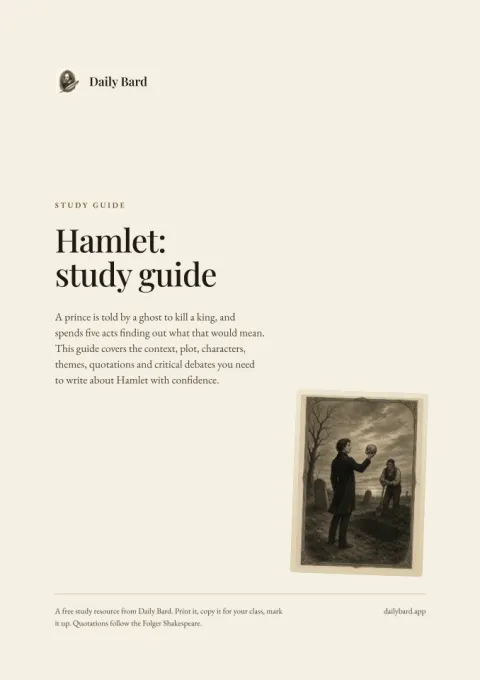
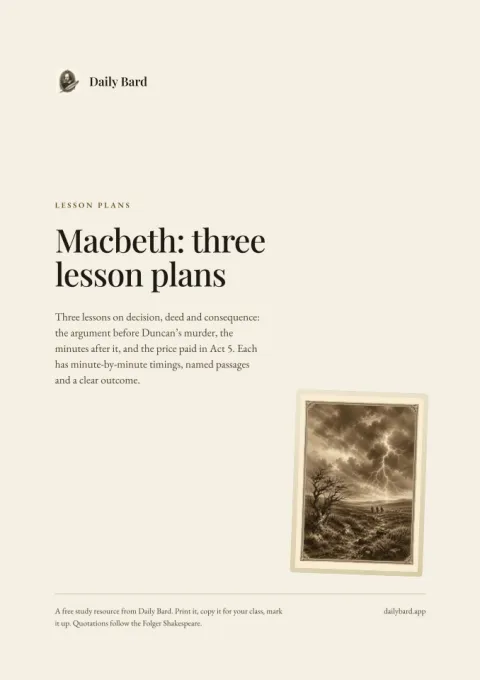
Every guide and lesson plan is also a properly set PDF, with a worksheet where it helps. No sign-up, no email.
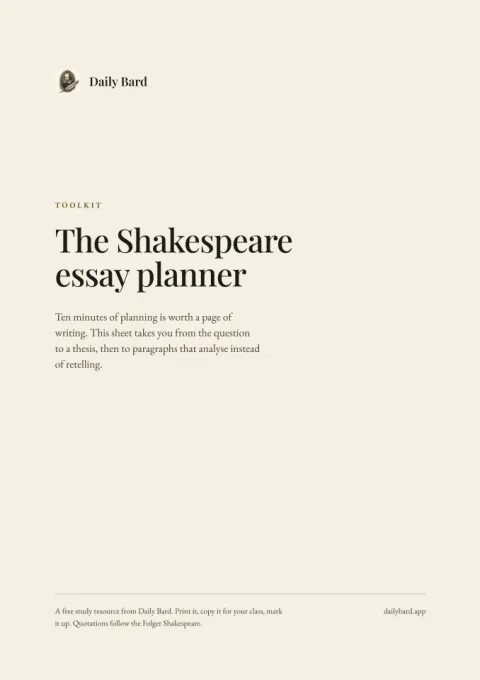
- The Shakespeare essay planner. Thesis, paragraph plans and a checklist for any Shakespeare essay.
- The close reading toolkit. A method for annotating any passage: words, images, sound, metre, structure.
- Shakespeare’s language: a cheat sheet. Thou and thee, verb endings, false friends, and the terms examiners expect.
- The assessment map. What GCSE, A-level, AP Literature and IB actually reward, side by side.
Then keep it going: one page a day.
Daily Bard is the app this library grew out of. Each morning, one leaf: an engraved plate, the passage exactly as he wrote it, and on the back, what it means. No feeds, no streaks, nothing to chase.
Free to download for iPhone and iPad. The Full Edition is a one-time US$11.99 and adds the Commonplace Book, the Catalogue by play, margin notes and the Daily Plate widget.
Read it, then understand it.
Every morning, one leaf. His words on the front; plain English on the back.
The day’s plate
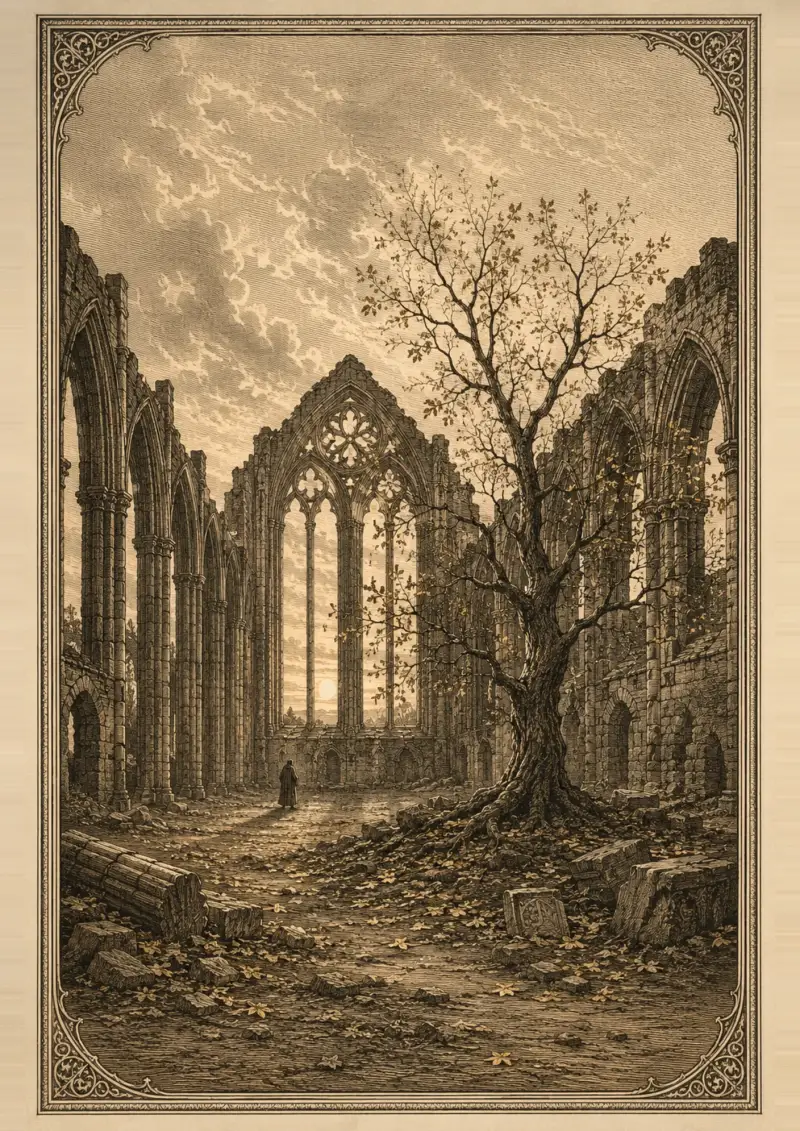
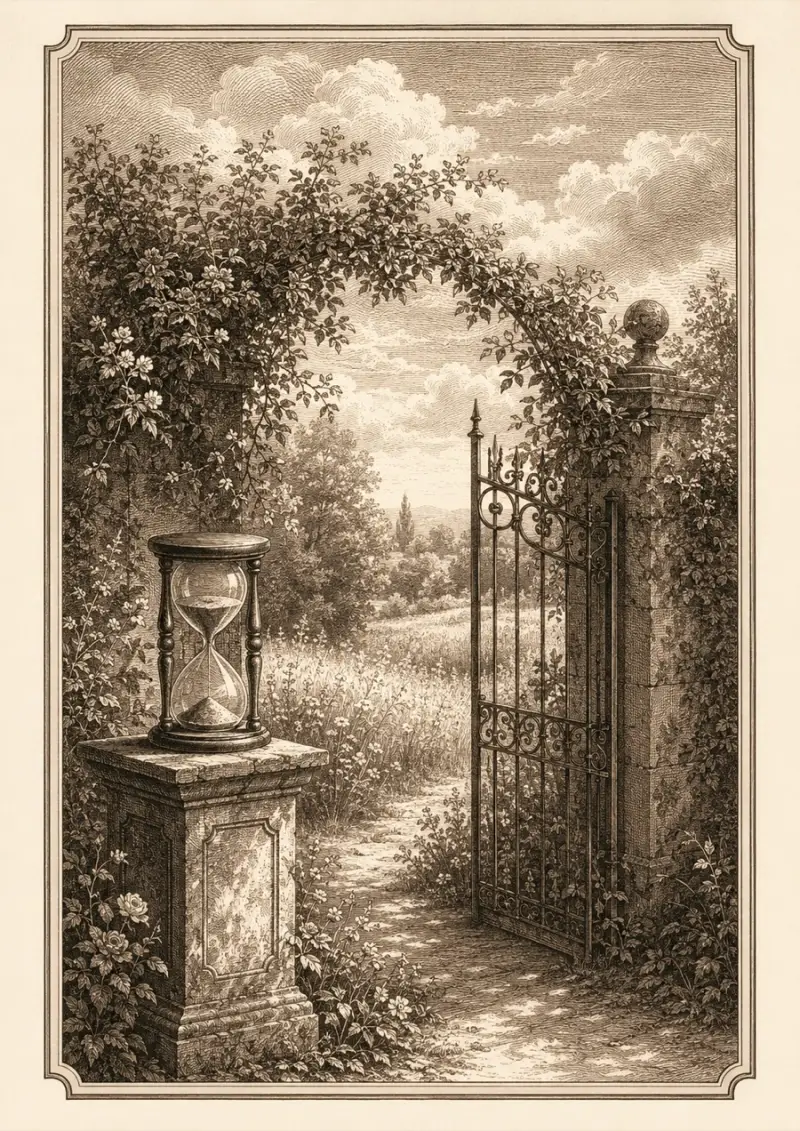
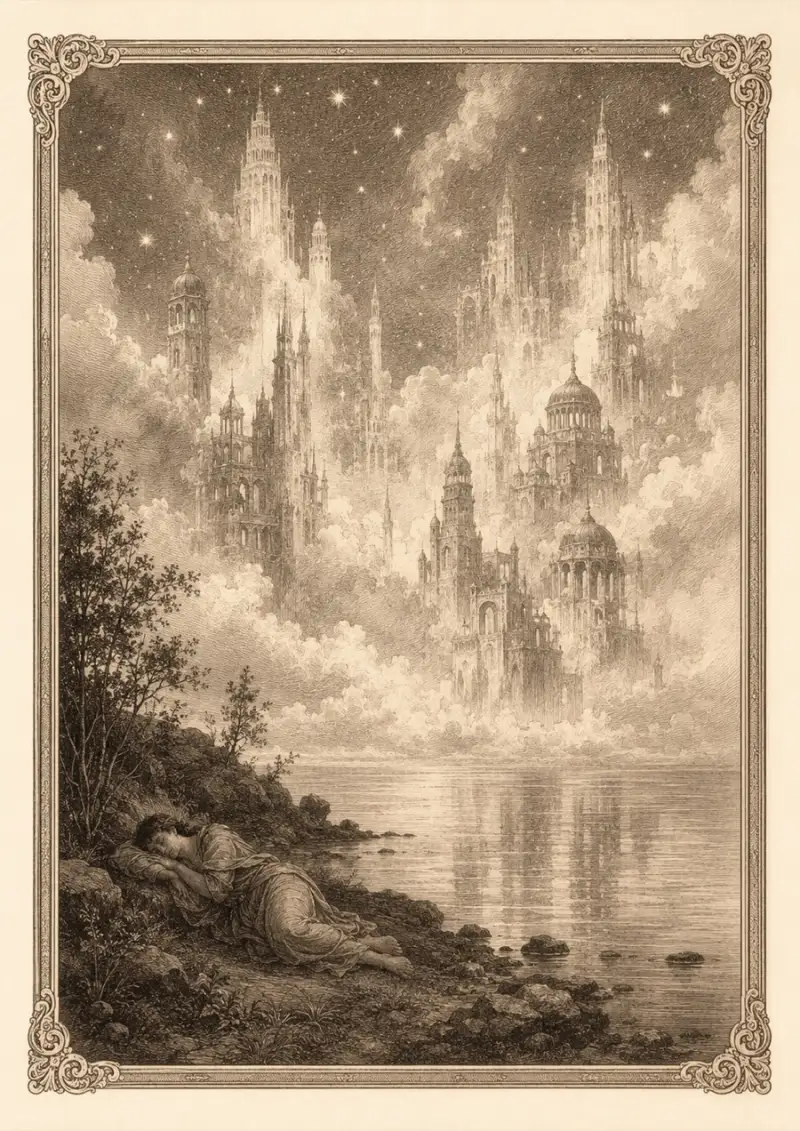
A hand-engraved scene sets the passage, the way a fine edition would.
His exact words
The passage as Shakespeare wrote it - verified against the Folger text.
Turn the leaf
On the back, a clear, plain-English reading. What it means, without the fog.
The Full Edition
US$11.99
One purchase. No subscription. Ever.
Free to download - a page a day. Unlock the whole edition once, and keep it forever.
Good to know.
Are the study guides and lesson plans really free?
Yes. Every guide, lesson plan, quotation sheet and worksheet on this site is free to read and free to download as a PDF. There is no sign-up and we do not ask for an email address.
Which courses are they written for?
They are written for students aged about 14 to 19 and for first-year undergraduates: GCSE and A-level English Literature, AP Literature, the IB, and university survey modules. They teach the skills those courses share: close analysis of language, form and structure, relevant context, and a clear argument. Always check your own specification for the exact requirements.
Can I use the downloads in my classroom?
Yes. Print them, photocopy them and adapt them for your own students. If you share them online, please link to the page on this site rather than re-hosting the file.
Where do the quotations come from?
Quotations follow the Folger Shakespeare, the same text the Daily Bard app is checked against. Your school edition may differ slightly in spelling, punctuation or line numbering, so quote from the edition you are examined on.
What is Daily Bard?
Daily Bard gives you one page of Shakespeare each morning: an engraved plate and the passage exactly as he wrote it, with a plain-English reading on the back of the leaf. One page a day - no feeds, no streaks, nothing to chase.
Is Daily Bard a subscription?
No. Daily Bard is a one-time purchase. The Full Edition unlocks everything, forever, for US$11.99. There is no subscription and no recurring charge.
What do I get for free?
A new page is revealed each day. The Full Edition adds the Commonplace Book of every page you have seen, the full Catalogue browsable by play, and margin notes written in your own hand.
Tomorrow’s page is already being engraved.
Read one beautiful page of Shakespeare every day.